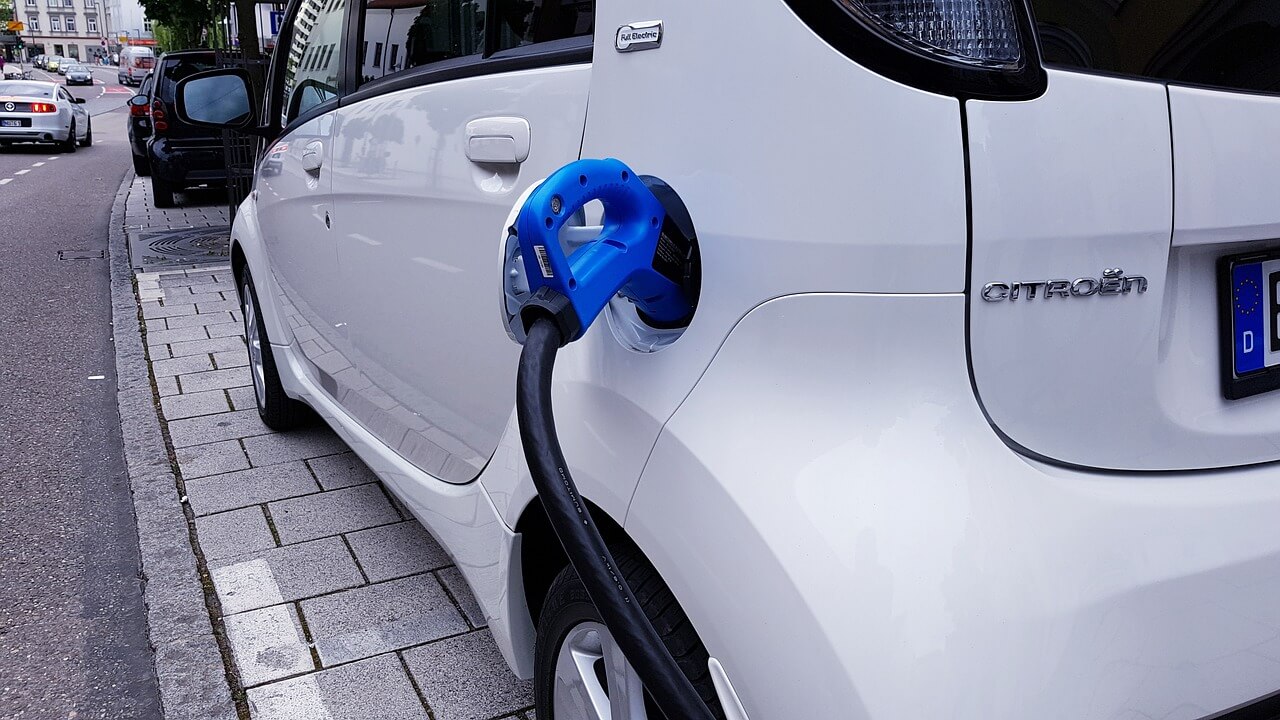
This week, the asset acquisition case of Yihuatong and Xuyang became the hottest topic, with the transfer of the first fuel cell stock ownership drawing significant attention within the industry. As a hydrogen energy analyst, I will share my views on the background of this acquisition, the profiles of both companies, the complementary strategies of their industry chain resources, and the potential future impacts.
I. Current Status of the Fuel Cell Industry
The fuel cell industry is characterized by a long industry chain and high requirements for external coordination. According to SMM statistics, there are currently about 3,000 fuel cell vehicles in operation domestically, with core orders mainly coming from government demonstration projects such as hydrogen-powered buses and hydrogen-powered logistics vehicles. Given the current hydrogen refueling cost of 35 yuan/kg, fuel cell vehicles struggle to compete with internal combustion engine vehicles and EVs in terms of cost, failing to establish a complete profit model. Meanwhile, as government policies gradually shift toward hydrogen production and hydrogen chemical applications, subsidies for fuel cell vehicles are being reduced, leading to a decline in procurement willingness. This has resulted in a lack of effective orders across the fuel cell industry, ultimately causing financial losses for companies.
II. Overview of Xuyang Group and Xuyang Hydrogen Energy
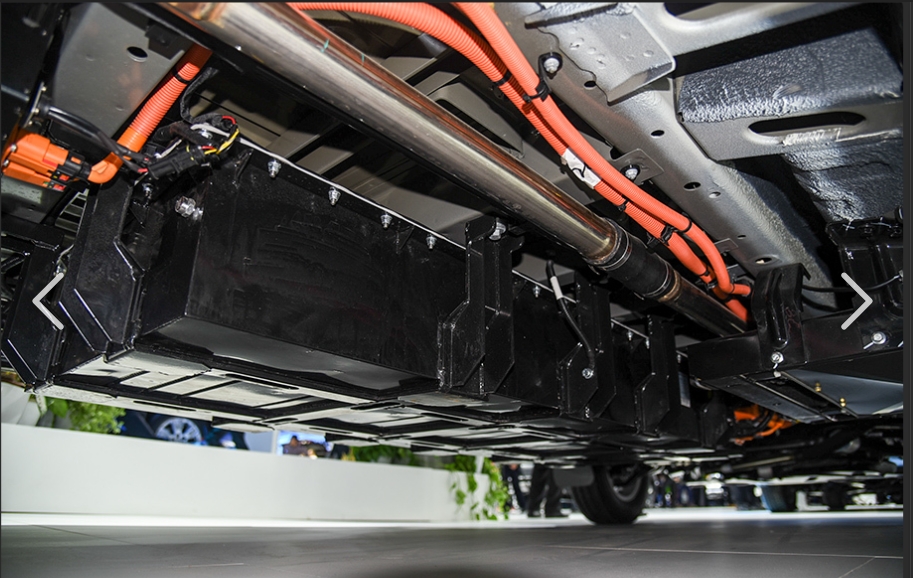
China Xuyang Group is the world's largest independent coke producer and supplier, the world's largest coking processor, China's largest producer of methanol from coke oven coal gas, and the largest hydrogen supplier in the Beijing-Tianjin-Hebei region. It holds strong competitive advantages in key segments of the clean and low-carbon hydrogen industry chain in the industrial sector. Xuyang Group possesses the largest high-purity hydrogen capacity in industrial parks within the Beijing-Tianjin-Hebei region (14 mt/day) and is transitioning to renewable energy-based hydrogen production. It boasts exceptional advantages such as large volume, low cost, high quality, and wide distribution, effectively addressing the hydrogen capacity shortfall in the Beijing-Tianjin-Hebei region.
Xuyang Group also has extensive logistics and transportation scenarios. Leveraging its rich experience in hydrogen refueling station construction and operation, it can deploy hydrogen refueling stations along logistics routes, not limited to urban areas or hydrogen cluster zones. Combining the hydrogen substitution demand in logistics, cold chain, and industrial scenarios in the Beijing-Tianjin-Hebei region, Xuyang Group is accelerating the process of carbon peaking and carbon neutrality.
III. Industry Exploration Under the Strategy of Complementary Industry Chain Resources
I am not surprised by this acquisition. First, the core issue lies in Yihuatong's need for strong financial support amid significant losses, which would enable it to explore other segments of the hydrogen energy industry chain. Additionally, Yihuatong began R&D on PEM electrolyzers at the end of 2023, attempting to transition to hydrogen production, but the results so far have been less than ideal. Against this backdrop, Yihuatong has ample reason to seek collaboration with top-tier enterprises in hydrogen production.
Second, as a top-tier enterprise in industrial hydrogen, Xuyang Group sources nearly all its hydrogen from industrial by-products, with all of it applied in the chemical sector, and has had limited involvement in emerging hydrogen industry chains (such as water electrolysis and fuel cells). The acquisition of Yihuatong represents Xuyang Group's expansion into the hydrogen industry chain, with both parties joining forces to achieve industry chain integration.
Third, from the perspective of the entire hydrogen energy industry, all segments of the hydrogen industry chain are in their infancy. From hydrogen production to storage and transportation, and further to hydrogen transportation and hydrogen chemical applications, companies in each segment are exploring reliable business models. When and in which segment hydrogen energy will experience a breakthrough are questions that industry practitioners are deeply concerned about. However, this uncertainty leads to confusion among practitioners about the hydrogen industry chain itself. In such an unclear state, the best approach is industry chain integration, involving every segment to ensure the necessary technical reserves when the industry flourishes.
IV. Impact and Future Outlook of This Acquisition
This acquisition not only provides Yihuatong with much-needed financial support but, more importantly, enables Yihuatong to address two critical gaps in the hydrogen energy industry chain: upstream resources and downstream market channels. This further consolidates its leading position in the hydrogen energy sector. Meanwhile, Xuyang Group can enter fields such as hydrogen fuel cells and hydrogen-powered heavy trucks through this acquisition. Their collaborative R&D in areas like hydrogen cogeneration and liquid hydrogen will accelerate their respective energy transitions and new business growth.
Moreover, with the continuous strengthening of national and local policies on the hydrogen energy industry, the sector is expected to embrace new development opportunities. For instance, several recent national and local policies have explicitly identified hydrogen energy as a key component of the future national energy system and encouraged the development of renewable energy-based hydrogen production. These policies provide strong support for the development of the hydrogen energy industry and offer broader market opportunities for the integration of Yihuatong and Xuyang Group.
As a hydrogen energy analyst, I believe that while the development of hydrogen energy may face challenges, it will not stagnate. Under the current energy landscape, hydrogen energy, as a clean energy source, is essential for achieving decarbonization and emission reduction. Additionally, as a country with abundant coal but limited oil and gas resources, China's energy security remains a critical concern. Therefore, developing hydrogen energy as a strategic reserve is a core necessity. I am confident that, driven by industry chain integration and policy support, the hydrogen energy industry is poised for more vigorous growth.
Written by: SMM Hydrogen Energy Analyst Xin Shi—13515219405 (WeChat available)